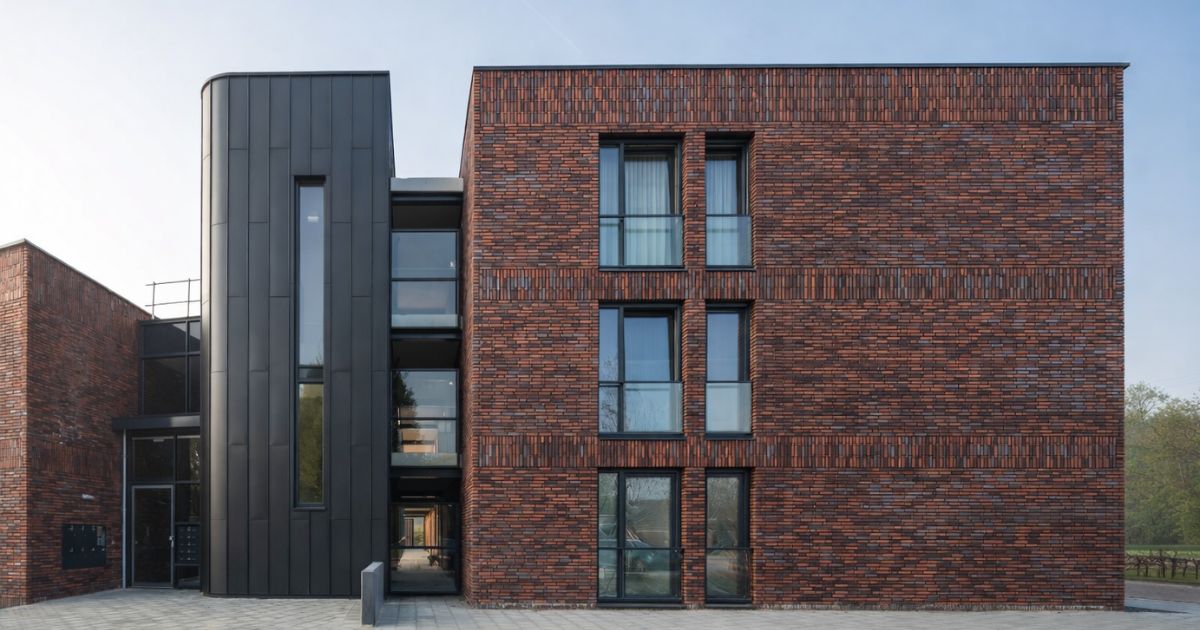
Innovation in construction materials continues to shape how buildings are conceived, designed, and delivered. Beyond aesthetics and performance, materials must now support longevity, adaptability, and sustainability. Among metal solutions, zinc coils represent a compelling balance of traditional reliability and contemporary architectural potential.
Across a spectrum of building types from civic infrastructure to commercial landmarks their applications are increasingly recognised for versatility and functional resilience. This article explores how this material is manufactured and deployed, what makes it suited to modern architectural demands, and why it deserves consideration alongside more commonly specified metals in the Indian market.
What Are Zinc Coils?
Zinc coils are long strips of rolled titanium zinc supplied in a continuous format for ease of transport, fabrication, and customised use in construction. They are available in multiple widths, thicknesses, and surface finishes, and are produced from high-purity titanium zinc that conforms to EN standards, ensuring consistent and predictable performance.
The coil format allows fabricators and installers to shape the material into specific profiles, whether for roofing systems, façade panels, customised detailing, or interior applications without reliance on pre-cut sheets. This flexibility differentiates coil-based material from conventional flat sheets and supports more responsive on-site fabrication.
How Zinc Coils Are Manufactured
Manufacturing begins with high-grade titanium zinc alloy, typically with a minimum purity of 99.995% zinc (Z1 grade) to ensure corrosion resistance and controlled formability. Small additions of copper, titanium, and aluminium improve mechanical strength and long-term stability.
The refined metal is passed through rolling mills to achieve precise thicknesses and widths. Coil widths can reach approximately 1000 mm, while thicknesses generally range between 0.70 mm and 1.00 mm, with bespoke specifications available where required.
After rolling, the material may be supplied in a natural finish or pre-weathered, enabling architects to select surfaces aligned with both aesthetic intent and performance expectations.
Roofing Applications
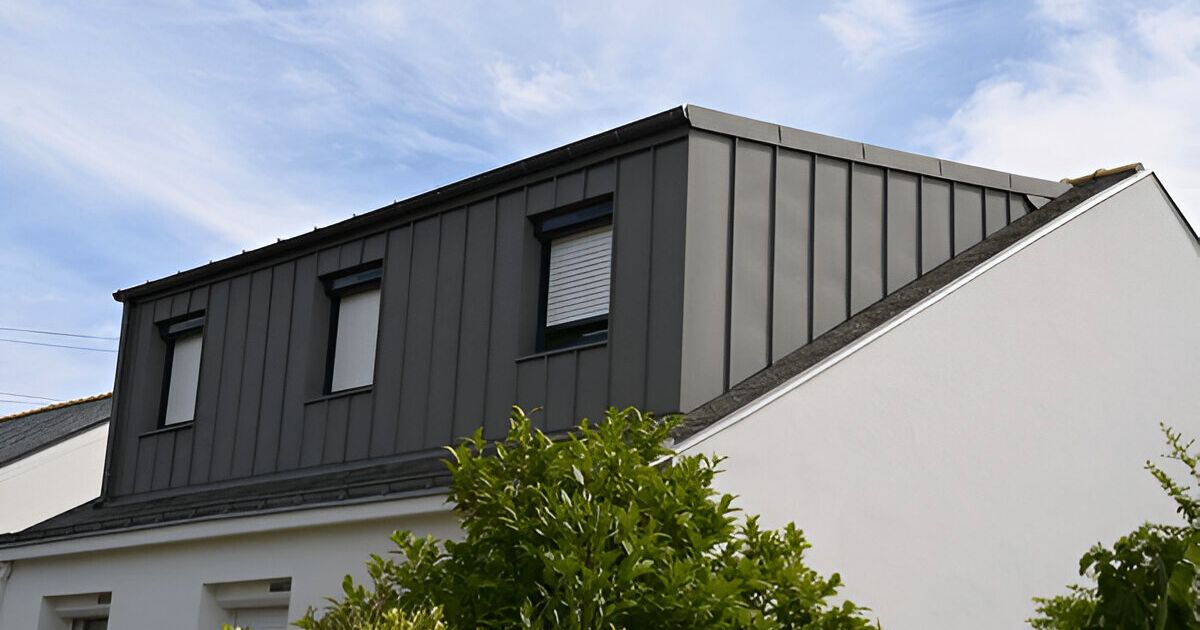
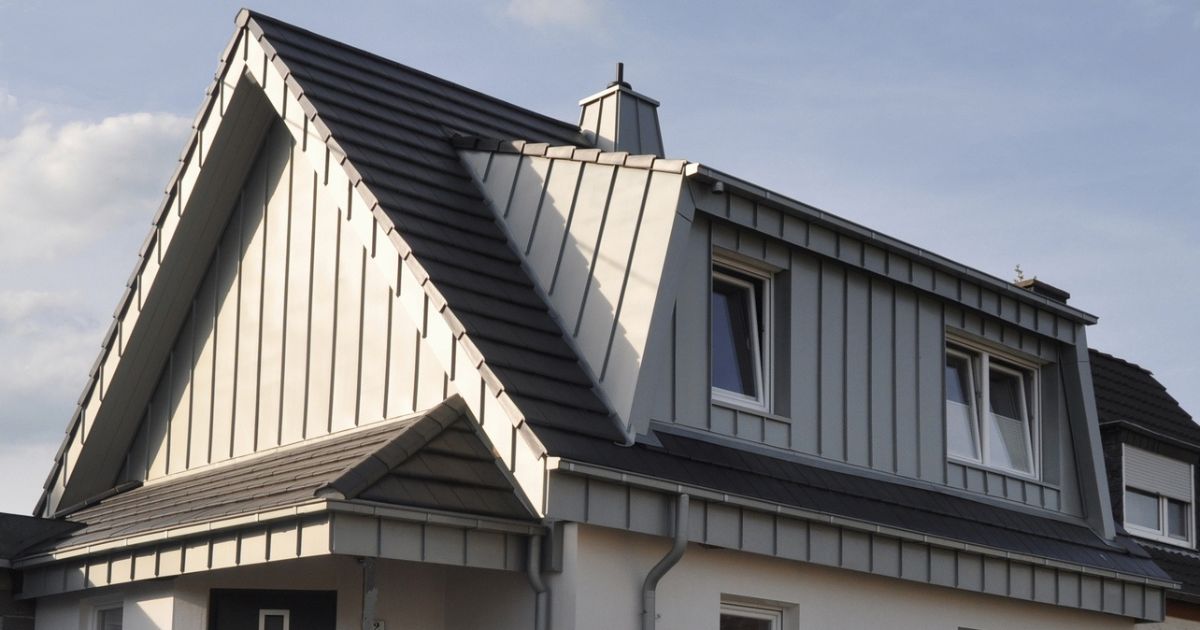
One of the most established applications of this material is zinc coil roofing, valued for its durability, corrosion resistance, and long service life. Zinc-based roof systems have demonstrated consistent performance across diverse climatic conditions.
Zinc coil roofing systems are typically installed using standing seam, roll cap, and other interlocking profiles. These configurations allow effective water drainage without large exposed fixings, reducing long-term maintenance risks.
In many environments, titanium zinc roofs can achieve service lives of 75+ to 100 years with minimal intervention. This longevity is attributed to the formation of a natural patina — a stable, self-protective layer created through interaction with atmospheric moisture and carbon dioxide.
The material’s malleability also supports curved and complex roof geometries, making zinc coil roofing suitable for bespoke architectural forms that are difficult to execute with rigid sheet systems.
Façade Applications
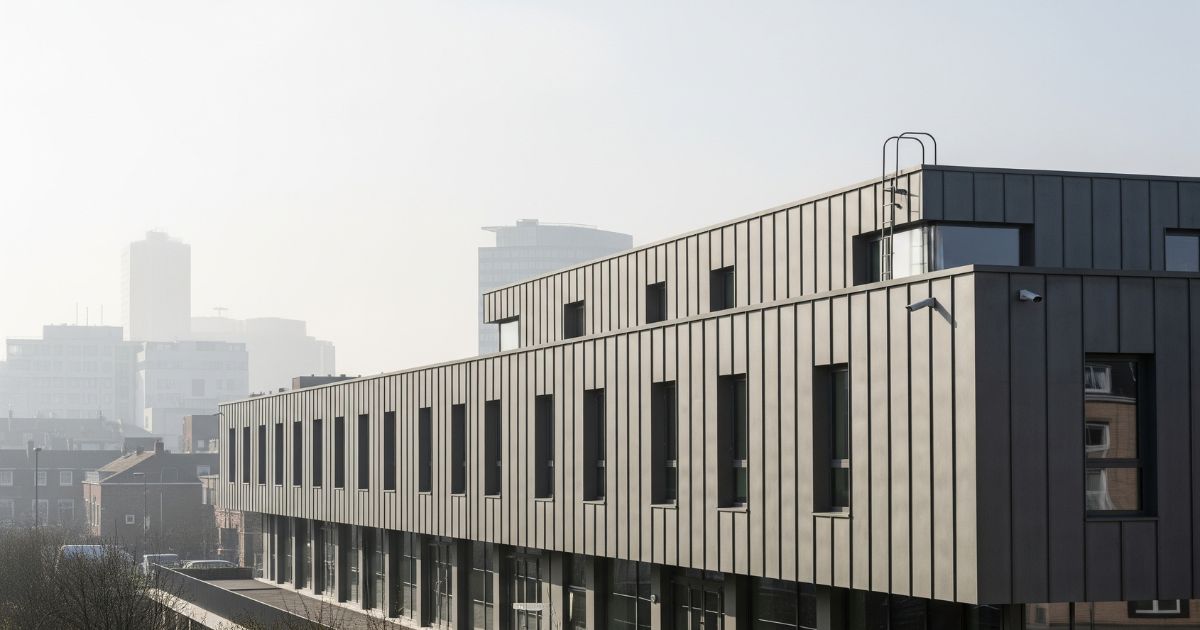
Modern façades demand materials that balance durability with architectural expression. Zinc coil façade systems meet these requirements through both traditional detailing and contemporary profile options.
Architects often specify zinc coil façade applications for vertical panels, reveal systems, and cassette-style assemblies. The continuous format supports on-site fabrication of customised panel sizes, enabling controlled repetition and varied architectural rhythms.
As the surface matures from a metallic sheen to a stable patina, zinc coil façade installations gain visual depth over time. This natural ageing process aligns with architectural narratives that value material authenticity and long-term character.
Interior & Decorative Uses
While often associated with building envelopes, zinc coils are also increasingly used in interior environments. Their soft sheen and evolving surface character make them suitable for wall cladding, ceiling elements, and decorative features.
The high formability of the material allows designers to create curved ceilings, sculpted wall treatments, and bespoke detailing that visually connect interior spaces with exterior architectural language. This continuity enhances spatial coherence, particularly in public and cultural buildings.
Fabrication & Installation Advantages
Among zinc construction materials, coil-based formats offer several advantages during fabrication and installation:
- Workability: The ductile nature of zinc allows folding, bending, and profiling without cracking.
- On-site customisation: Continuous lengths can be cut and shaped as required, reducing reliance on extensive pre-fabrication.
- Joint integrity: Seams formed from continuous material are typically water-tight, meeting critical performance requirements.
These qualities help reduce fabrication waste and support efficient installation when combined with appropriate detailing and skilled workmanship, key reasons zinc construction materials are favoured in long-life building envelopes.
Comparison With Other Metal Coil Materials
When compared with aluminium or copper alternatives, zinc coils offer a distinctive balance of performance characteristics:
| Property | Zinc Coils | Aluminium Coils | Copper Coils |
| Corrosion Resistance | Very high, develops protective patina | Good, may oxidise | Excellent, forms verdigris |
| Longevity | 75–100+ years typical | Variable, finish-dependent | 100+ years |
| Formability | High | Very high | High |
| Maintenance | Very low | Low to moderate | Very low |
| Recyclability | 100% recyclable | 100% recyclable | 100% recyclable |
This performance profile positions zinc construction materials as a balanced alternative, combining durability, natural protection, and dimensional stability under thermal cycling without reliance on applied coatings.
Conclusion
The role of zinc coils in modern construction extends well beyond conventional cladding. Their adaptability across roofing, façade, and interior applications demonstrates a strong balance between functional performance and architectural expression.
For architects, builders, and public-sector stakeholders focused on resilient and sustainable infrastructure, zinc construction materials offer a solution grounded in proven longevity, adaptable fabrication, and long-term design value.
Call us at 1800-102-0407 or visit nedzink.in/contact-us to explore NedZink products designed for performance and long-term aesthetic value.
FAQs
1. What makes zinc coils different from zinc sheets?
They are supplied in continuous lengths, enabling on-site profiling and customisation, while sheets are pre-cut and limit flexibility for bespoke detailing.
2. Zinc coils suitable for standing seam roofing?
Yes. Standing seam and similar profiles used in zinc-based systems are well established and deliver continuous, water-tight roof assemblies.
3. Can zinc coils be used for interior designs?
Yes. They can be formed into interior wall cladding, ceiling features, and decorative elements, ensuring material continuity from exterior to interior.
4. How do zinc coils compare with copper or aluminium coils?
They offer a naturally protective patina, durability comparable to copper, and greater inherent corrosion resistance than bare aluminium, with full recyclability.