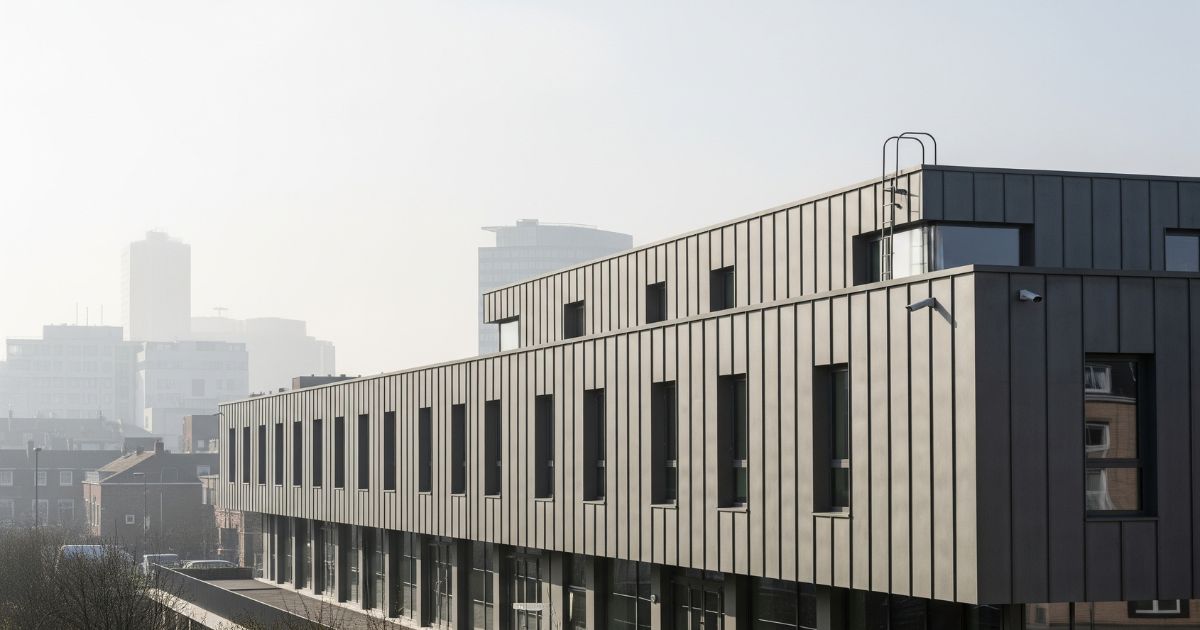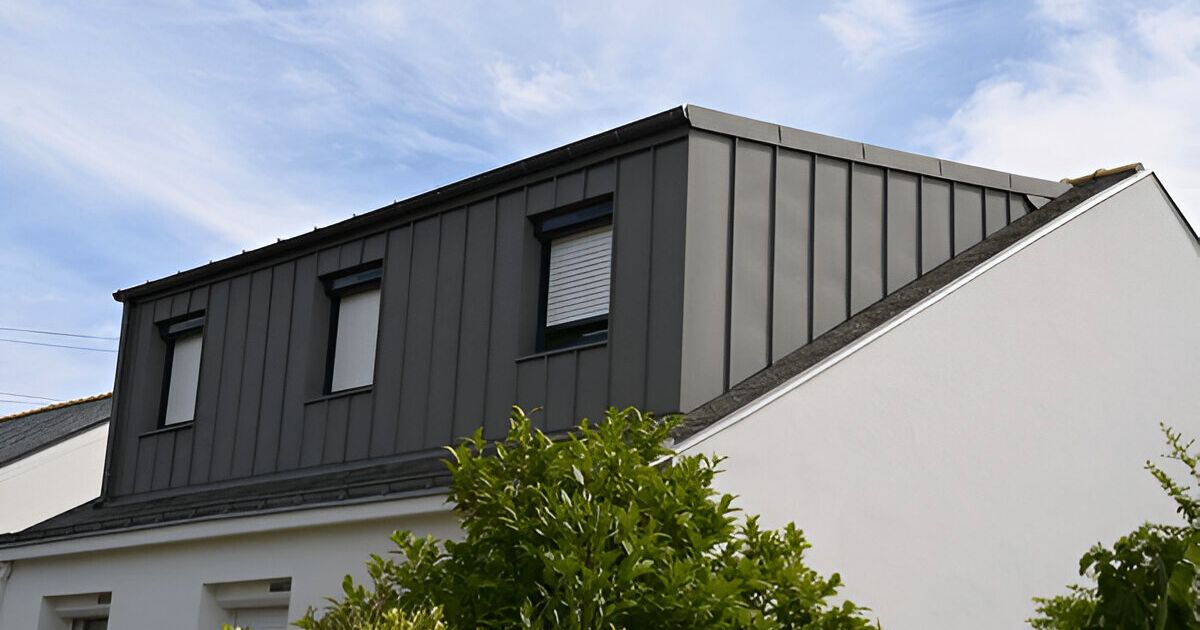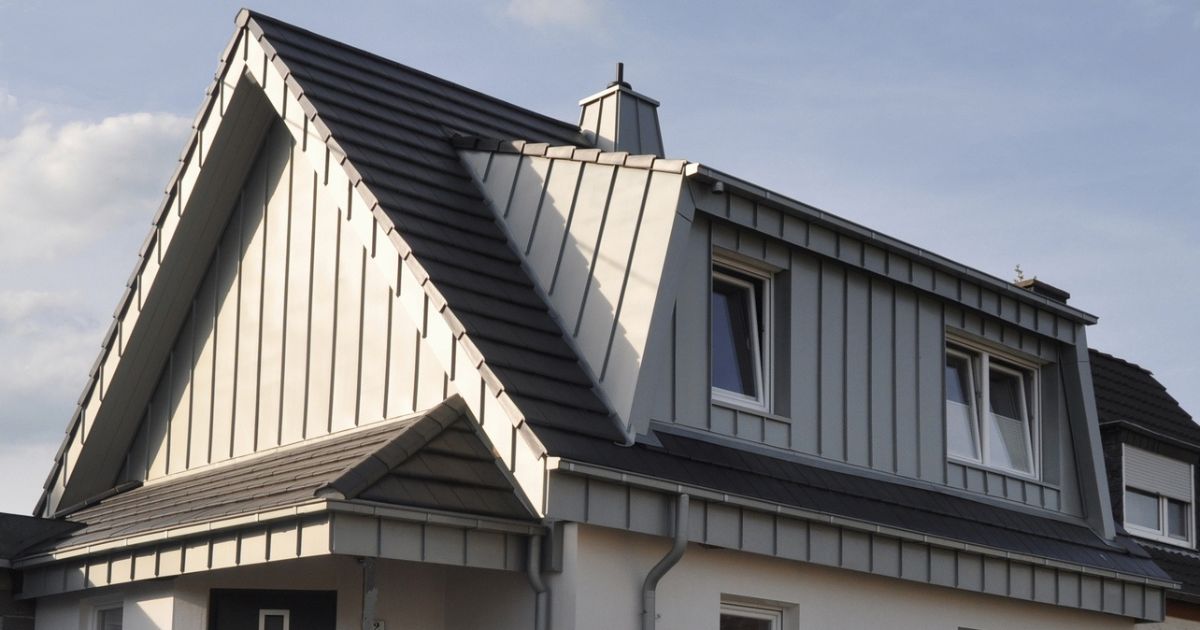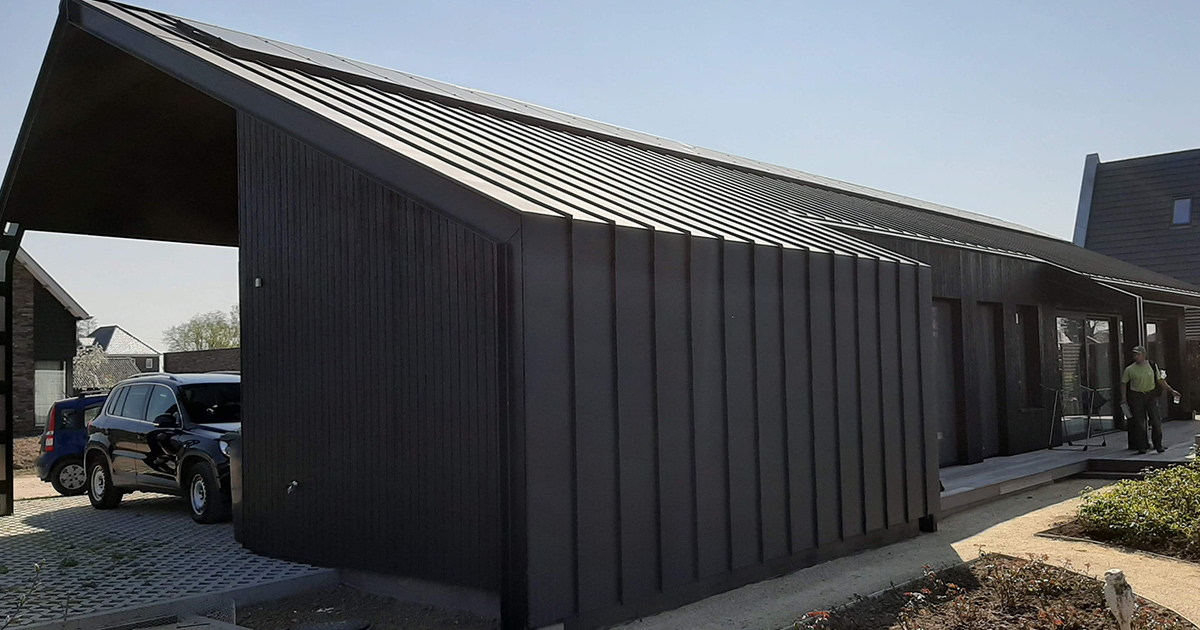
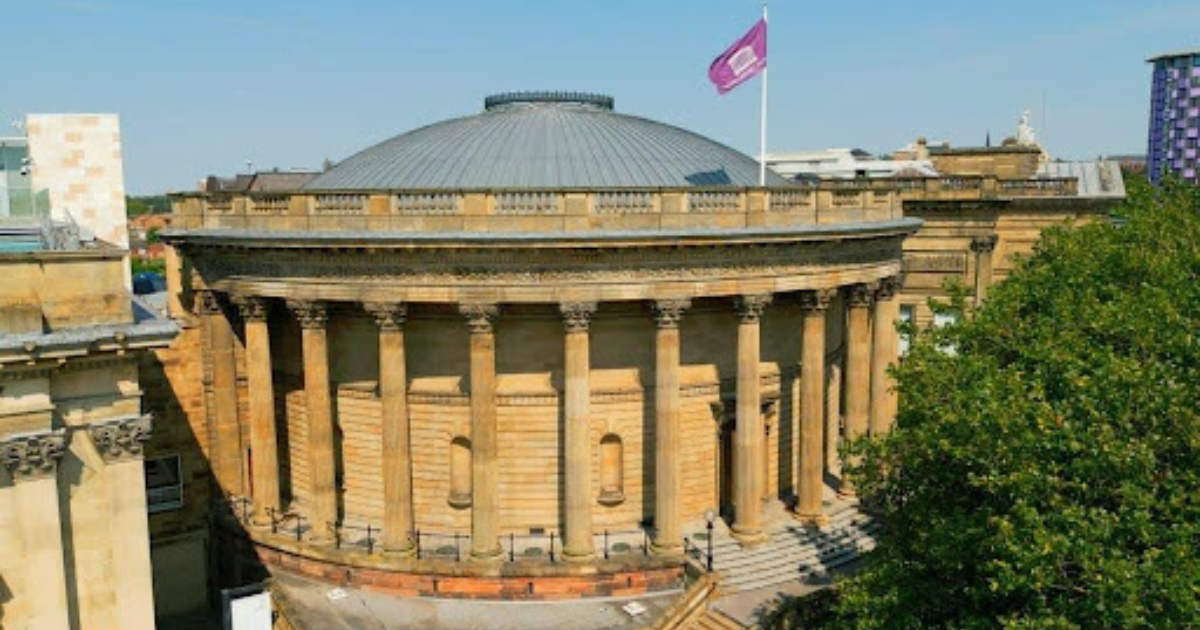
Zinc roofing has seen steady growth in adoption across modern residential, commercial, and institutional buildings. Architects and façade consultants increasingly specify zinc roof sheet systems for projects that demand long-term durability, controlled ageing, and a refined architectural appearance. Known for its muted metallic finish, ability to accommodate complex roof geometries, and strong resistance to harsh environmental conditions, zinc delivers both design flexibility and performance reliability.
One of zinc’s strongest advantages is its exceptional lifespan, which can extend over 75 years under appropriate installation and maintenance conditions. Over time, zinc develops a natural protective patina that shields the surface from corrosion and environmental wear, allowing the roof to age gracefully while maintaining structural integrity. This balance of aesthetic longevity and material resilience explains zinc’s growing relevance in contemporary architecture. At the same time, façade and roofing specialists also evaluate engineered aluminium systems from established manufacturers such as Aludecor when projects require predictable performance, tested finishes, and long-term material verification.
What Is a Zinc Roof?
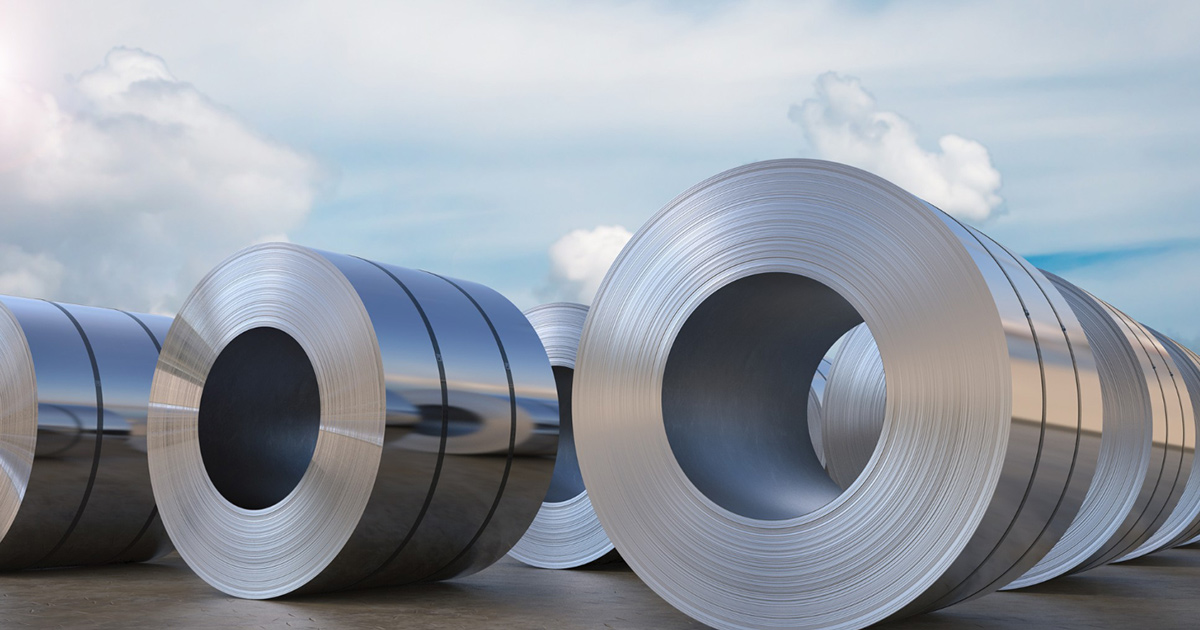
A zinc roof is a roofing system manufactured using zinc roof sheet materials, either as solid zinc alloy sheets or as pre-weathered zinc panels. These sheets are engineered to deliver long-term durability, corrosion resistance, and dimensional stability in external building environments. Zinc panels are typically installed using standing seam, flat lock, or batten seam systems, which allow controlled thermal expansion and contraction, reducing stress on fixings and improving overall weather tightness.
Zinc roofing is widely used across residential homes, commercial buildings, cultural institutions, and premium architectural developments. It performs effectively on pitched roofs, curved roof profiles, and can also be applied for façade cladding, making it a versatile design material. The material supports complex geometries while maintaining clean lines and seamless surface continuity, which are key visual characteristics in contemporary architecture.
In addition to its design flexibility, zinc roofing is valued for its long service life, which can extend up to or more than 75 years when correctly installed and maintained. Over time, zinc naturally forms a protective patina layer that shields the surface from corrosion and environmental exposure. This self-protecting characteristic allows the roof to age gracefully while retaining structural integrity and consistent appearance over decades.
Types of Zinc Used in Roofing
Zinc roofing is typically manufactured using zinc alloys to improve strength, durability, and formability. The most common types include:
- Titanium Zinc (Ti-Zn Alloy): The most widely used roofing zinc, alloyed with small amounts of titanium and copper for enhanced strength, corrosion resistance, and flexibility. Suitable for standing seam, flat lock, and curved roof systems.
- Pre-Weathered Zinc: Factory-treated titanium zinc with a uniform matte grey patina from day one, offering consistent appearance and long-term performance.
- Natural (Mill-Finish) Zinc: Supplied with a bright metallic surface that naturally develops a protective patina over time, creating a distinctive ageing aesthetic.
- Pigmented / Coloured Zinc: Zinc panels with coloured finishes for projects requiring controlled aesthetics while maintaining durability.
Each type supports different zinc roof design approaches and installation techniques. In comparison studies, aluminium-based roofing and façade panels, such as those developed within Aludecor’s product portfolio, are often assessed alongside zinc for projects that prioritise controlled finishes and consistency across large building envelopes.

Pros of Zinc Roofing
Zinc roofing offers several functional and architectural advantages that make it a preferred material in specific project categories.
1. Longevity
One of the most cited zinc roof benefits is its long service life. Zinc roofing systems can last 60–100 years under suitable conditions. The self-healing patina that forms on the surface protects the underlying metal from corrosion and environmental damage.
2. Low Maintenance
Zinc roofing requires minimal ongoing maintenance. The patina layer naturally regenerates if scratched, reducing the need for surface treatments or frequent inspections.
3. Aesthetic Appeal
Zinc roof design is valued for its subtle texture and evolving appearance. Over time, the surface develops a matte finish that blends well with contemporary and heritage architecture.
4. Eco-Friendly
Zinc is fully recyclable without loss of quality. Many zinc roof sheets contain recycled content, contributing to lower environmental impact over the building lifecycle.
5. Lightweight
Compared to traditional roofing materials such as concrete tiles, zinc roof sheets are lightweight. This reduces structural load and allows greater flexibility in roof design.
6. Corrosion Resistance
Zinc performs well in varied climates due to its corrosion resistance. The patina acts as a protective barrier against moisture and atmospheric pollutants.
Also Read : Why Architects Are Turning to Zinc for Future-Proof Designs
Cons of Zinc Roofing
While zinc roofing offers clear advantages, it also presents limitations that must be evaluated during material selection.
1. Higher Initial Cost
Zinc roofing has a higher upfront cost compared to standard metal roofing options. Material pricing and skilled labour contribute to the overall investment.
2. Specialised Installation
Proper installation requires trained professionals familiar with zinc expansion characteristics and seam systems. Incorrect detailing can affect long-term performance.
3. Thermal Movement
Zinc expands and contracts with temperature changes. Roofing systems must incorporate movement allowances to prevent distortion or noise.
4. Limited Colour Options
Zinc roofing offers fewer colour choices compared to coated metal alternatives. Most finishes remain within natural metallic and grey tones.
These factors form an essential part of evaluating zinc roof pros and cons for any project.
Best Alternatives to Zinc Roofing
For projects where zinc roofing may not align with budget or design requirements, several alternatives are commonly considered.
1. Copper Roofing
Copper roofing shares similar longevity characteristics with zinc and develops a distinct patina over time. However, copper typically carries a higher material cost and a more pronounced colour evolution.
2. Aluminium Roofing
Aluminium roofing provides a lighter-weight alternative with strong corrosion resistance. Aluminium roof sheets are available in a wider range of finishes and coatings, making them suitable for projects requiring colour consistency.
In modern façades and roof systems, aluminium composite panels and engineered aluminium solutions are increasingly specified as zinc roof alternatives. Brands such as Aludecor have contributed to this shift by offering aluminium-based systems that balance durability, controlled aesthetics, and cost efficiency for contemporary architecture.
Also Read : How Architects are Using Zinc Panels to Enhance Building’s Looks and Longevity
Conclusion
Zinc roofing continues to be a distinctive architectural material valued for its long service life, low maintenance requirements, and refined visual character. Its natural ageing process and ability to perform reliably for several decades make it well suited for projects where lifecycle value and material longevity are key priorities.
However, higher upfront costs, specialised installation needs, and limited colour flexibility mean zinc may not be the ideal solution for every building type or budget. Assessing zinc’s advantages alongside alternatives such as aluminium or copper enables architects and developers to make informed decisions based on performance expectations, cost efficiency, and design objectives.
Ultimately, the right roofing system depends on project context, environmental exposure, and long-term maintenance strategy. In contemporary practice, specifiers increasingly balance traditional materials like zinc with advanced engineered aluminium solutions, including Aludecor aluminium composite panels, to achieve predictable performance, verified testing standards, and architectural consistency without compromising lifecycle durability.
Frequently Asked Questions
1.What are the disadvantages of a zinc roof?
The main disadvantages include higher upfront cost, the need for specialised installation, thermal movement considerations, and limited colour options compared to coated metal roofing systems.
2.What is the alternative to a zinc roof?
Common zinc roof alternatives include aluminium roofing, aluminium composite panels, and copper roofing. Aluminium-based systems are often selected for their lightweight nature, design flexibility, and cost balance.
3.What are the benefits of a zinc roof?
Zinc roof benefits include long lifespan, corrosion resistance, low maintenance, eco-friendly properties, and a distinctive architectural appearance that improves with age.
4.What is the life expectancy of a zinc roof?
Under suitable conditions, zinc roofing systems can achieve a service life over 75years, depending on installation quality and environmental exposure.
5.How does zinc roofing compare to other metal roofing options?
Zinc roofing typically offers a longer lifespan and self-healing surface properties compared to standard steel roofing. Aluminium roofing provides greater finish variety and lighter weight, while copper offers similar longevity at a higher cost.