
Every facade tells a story. Not just of design intent, but of how carefully material decisions were made at the start of a project. Zinc has long been a part of architectural conversations because it performs quietly, ages gracefully, and rarely demands attention once installed.
Today, however, zinc facades are no longer a single choice. Architects and builders often find themselves weighing Zinc solid panels against Zinc composite panels, each offering a different balance of tradition, performance, and practicality. The discussion around ZCP (Zinc Composite Panels) vs solid zinc is therefore less about preference and more about context.
This article explores both options in detail, helping professionals align material selection with project realities.
What Are Zinc Solid Panels?
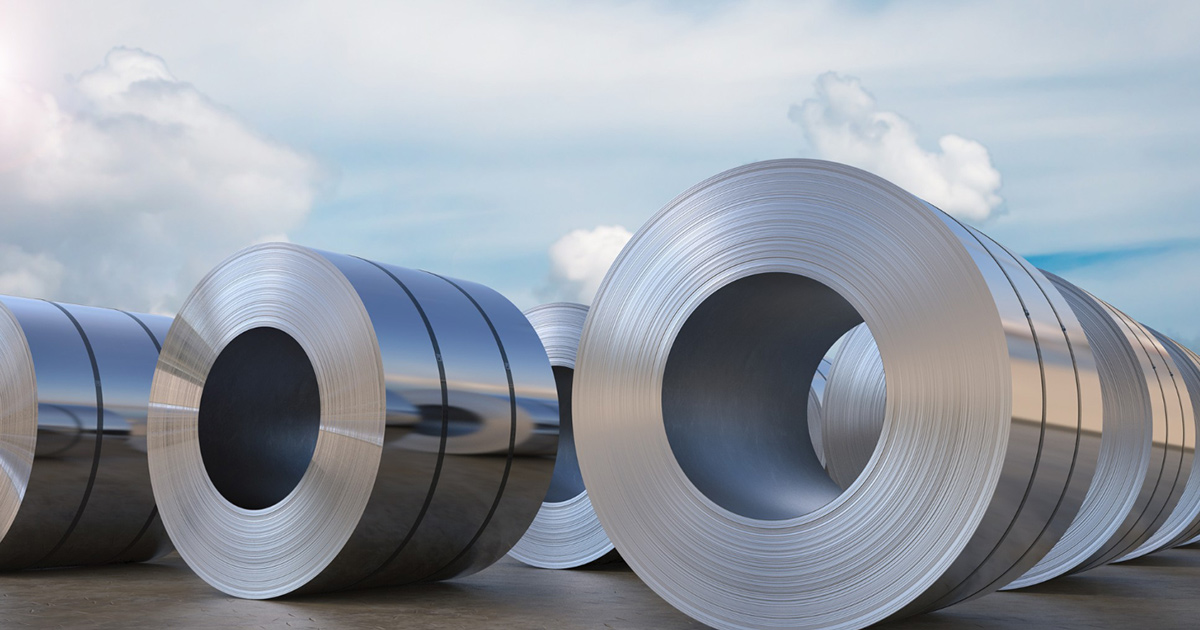
Zinc solid panels are manufactured from zinc alloy sheets, typically enhanced with small amounts of copper and titanium. These additions improve strength and durability while preserving zinc’s natural material characteristics.
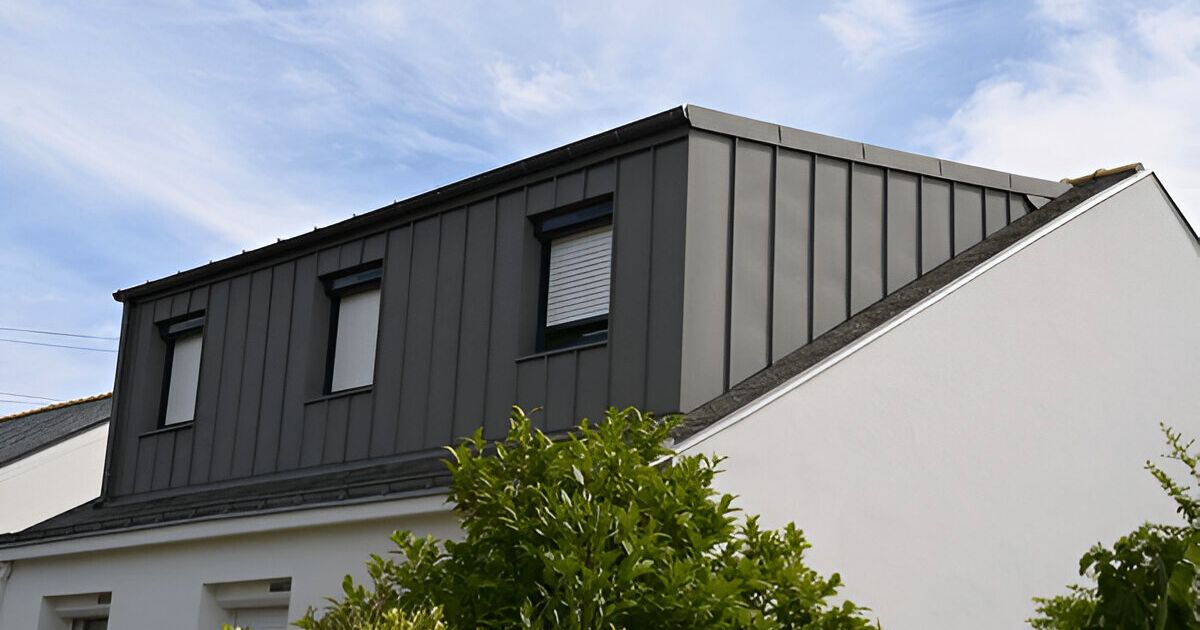
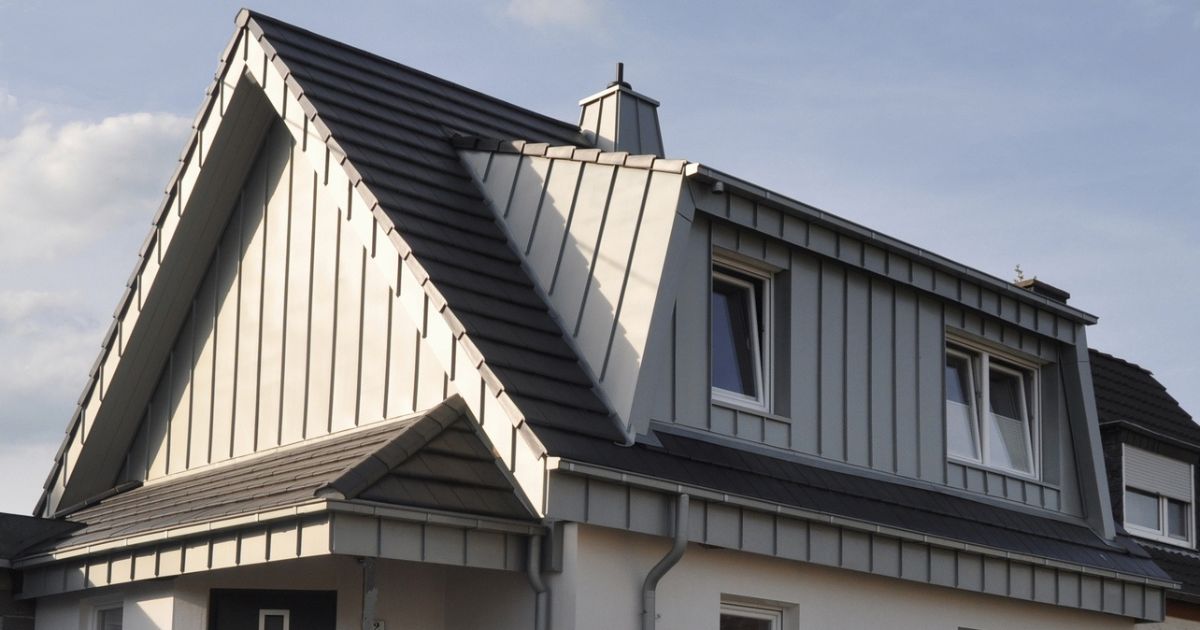
Historically, zinc solid panels have been used in roofs and façades for decades, particularly across Europe. Installation methods such as standing seams, flat-lock systems, and handcrafted cassette systems rely heavily on skilled workmanship. In the 19th century, under Baron Haussmann’s direction, Parisian rooftops were reimagined with sloping zinc panels, shaping the city’s iconic skyline and establishing zinc as a defining architectural material. This legacy continues today in both heritage and contemporary European buildings.
One of the most recognised qualities of zinc solid panels is their natural ageing process. Exposure to air and moisture initiates patina formation, creating a protective surface layer that slows corrosion. Over time, this patina becomes part of the building’s visual identity and architectural character.
What Are Zinc Composite Panels?
Zinc composite panels combine a thin zinc outer layer with a lightweight core, usually mineral-filled or non-combustible. The layers are bonded together under controlled factory conditions to form a stable, flat panel.
Zinc composite panels represent a more engineered approach to façade construction. They are designed to integrate seamlessly into modern rainscreen systems and prefabricated assemblies.
In the broader ZCP vs solid zinc conversation, composite panels reflect how zinc has evolved to meet contemporary demands for speed, consistency, and performance.

Material Features & Performance Comparison
Understanding how each material behaves in real-world conditions is essential. The table below outlines the key differences between Zinc solid panels and Zinc composite panels.
Comparative Table: ZCP vs Zinc Solid Panels
| Parameter | ZCP (Zinc Composite Panels) | Zinc Solid Panels |
| Material Composition | Zinc skin bonded to a core material (mineral-filled or FR core) in a composite structure. | Solid zinc alloy sheets with copper and titanium additives. |
| Panel Structure | Lightweight sandwich panel with controlled factory bonding and uniform thickness. | Single-layer solid metal sheet formed and fabricated on site or in workshops. |
| Weight | Lightweight, reducing structural load and substructure requirements. | Heavier, requiring stronger support systems. |
| Installation Speed | Faster, predictable project timelines. | Slower due to manual fabrication and detailing. |
| Design Flexibility | Large panel formats, flat surfaces, consistent modularity. | Excellent for curves, complex detailing, and bespoke forms. |
| Surface Appearance | Uniform factory finish with controlled visual consistency. | Natural surface variation and evolving appearance over time. |
| Patina Behaviour | Zinc surface develops patina over time; healing depends on coating and composite construction. | Forms a natural self-healing patina that regenerates minor scratches and protects against corrosion. |
| Durability & Lifespan | High durability; dependent on core quality and bonding integrity. | Very long lifespan, often reaching more than 75 years with proper installation. |
| Maintenance | Low maintenance; easier panel replacement if required. | Minimal maintenance; repairs require specialist workmanship. |
| Cost Implication | More cost-efficient in material and installation for large projects. | Higher material and labour cost. |
| Fire Performance | Available with FR or A2 mineral cores (subject to certification). | Non-combustible metal; system performance depends on assembly design. |
| Typical Applications | Commercial façades, large-format cladding, contemporary buildings. | Premium architecture, heritage projects, curved roofs and façades. |
| Scalability | Easier standardisation for large projects. | Limited scalability due to craftsmanship dependence. |
This comparison highlights how engineering influences performance, a recurring theme in ZCP vs solid zinc evaluations.
Weight, Strength & Flexibility
Weight directly impacts facade design and structural planning.
Zinc solid panels are heavier due to their full metal thickness. This additional weight can increase the load on fixing systems and supporting structures, particularly in multi-storey buildings.
Zinc composite panels are significantly lighter. The lightweight core reduces dead load while maintaining surface strength. This makes them easier to handle and more adaptable for taller structures.
In terms of flexibility, Zinc composite panels allow for larger spans and controlled bending, which supports contemporary architectural forms more easily than solid sheets.
Cost & Installation Differences
Cost is rarely limited to material price alone.
Zinc solid panels often involve higher labour costs due to skilled installation requirements. On-site forming and longer installation times can affect project schedules.
Zinc composite panels are produced as finished units, reducing site work. Faster installation and predictable fabrication often translate into better programme control and cost certainty.
From a budgeting perspective, many large projects favour Zinc composite panels because their overall cost profile is more predictable and easier to control at scale. This preference is frequently highlighted in ZCP vs solid zinc comparisons, not because composite panels are inherently “cheaper” as a material, but because they reduce several indirect and often underestimated project costs.
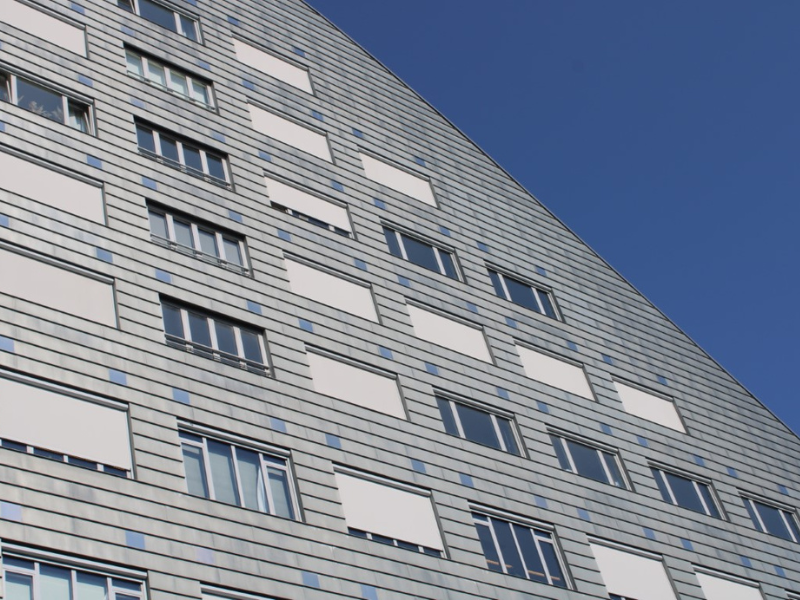
Design Flexibility & Aesthetic Options
Both materials deliver the unmistakable look of zinc, but the path to achieving that look differs.
Zinc solid panels are well suited to traditional craftsmanship, subtle detailing, and smaller panel formats. They are often chosen for heritage contexts or projects that prioritise material authenticity.
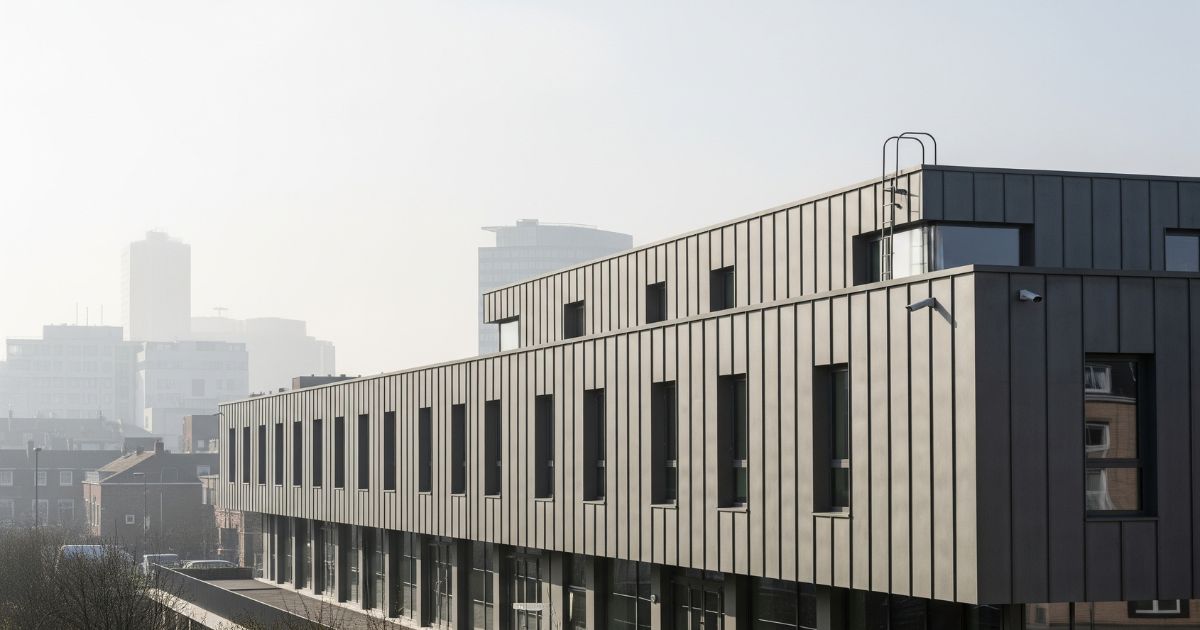
Zinc composite panels support large panels, sharp geometries, and complex façades. They allow designers greater freedom while maintaining visual consistency across expansive surfaces.
From a design standpoint, the distinction between Zinc solid panels and Zinc composite panels lies more in execution than appearance.
Ideal Use Cases for Each Material
Material choice becomes clearer when aligned with the application.
Zinc solid panels are commonly used in:
- Heritage and conservation projects
- Low-rise buildings
- Architecturally expressive details
- Projects valuing traditional construction methods
Zinc composite panels are often specified for:
- High-rise façades
- Commercial and institutional buildings
- Large-format cladding systems
- Projects with tight timelines
These distinctions regularly shape ZCP vs solid zinc specifications.
Conclusion
Choosing between Zinc solid panels and Zinc composite panels is ultimately about matching material behaviour to project needs. Both options offer durability, corrosion resistance, and long-term performance.
In the ongoing discussion of ZCP vs solid zinc, solid panels represent material tradition, while composite panels reflect engineered efficiency. Informed decisions come from understanding these differences rather than favouring one by default.
Well-considered material choices support buildings that perform reliably long after construction ends.
FAQs
1. What is the difference between Zinc solid panels and Zinc composite panels?
Zinc solid panels are made entirely from zinc alloy, while Zinc composite panels combine a zinc skin with a lightweight core, affecting weight, stability, and installation.
2. Which option is better for high-rise façade applications?
For high-rise buildings, Zinc composite panels are often preferred due to reduced weight and improved dimensional stability.
3. Are Zinc composite panels more cost-effective than solid zinc?
In many cases, Zinc composite panels offer cost advantages through faster installation and lower structural demands.
4. Which material offers better flexibility for curved designs?
Zinc composite panels generally provide better control and flexibility for curved or complex façades.
5. Which panel lasts longer in extreme climates?
Both Zinc solid panels and Zinc composite panels have long service lives, but the engineered stability of composite panels can offer advantages in extreme conditions.